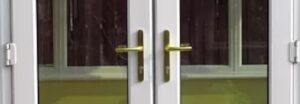
Residential Door Handle Repairs: A Comprehensive Guide
When it pertains to preserving the stability of a home, typically the spotlight is cast on significant systems like pipes, electrical work, or roofing. Nevertheless, among the most ignored elements is the humble door handle. Regardless of its little size, a door handle plays an essential role in the security, accessibility, and functionality of a home. It might appear minor, but when a door handle starts breaking down, it can cause significant hassles. This post aims to notify homeowners about the significance of door handle maintenance and offer practical guidance on repairs.
Importance of Door Handle Maintenance
A malfunctioning door handle can lead to a myriad of problems, such as:
- Security Risks: A malfunctioning handle may leave doors unlatched, compromising home security.
- Trouble: Struggling to open or close a door can be discouraging, especially throughout defining moments.
- Damage to Doors: Prolonged usage of a malfunctioning handle can cause damage to the door mechanism, necessitating costly repairs or replacements.
- Aesthetic Value: Well-maintained door hardware adds to the general feel and look of a home.
Common Door Handle Problems
House owners need to understand the most common door handle issues they might experience, consisting of:
- Worn Out Mechanism: Over time, the internal components of a door handle can break, resulting in decreased performance.
- Loose Handles: Screws or fittings might become loose, causing wobbling or problem in operation.
- Stuck Handles: Debris or rust might trigger handles to get stuck, preventing smooth operation.
- Misalignment: A door may end up being misaligned with the lock or strike plate, causing issues with turning the handle.
Tools and Materials Needed for Repairs
Before embarking on a door handle repair job, it is necessary to gather the necessary tools and materials. A list of common items consists of:
- Screwdrivers (both flathead and Phillips)
- Allen wrenches (if suitable)
- Replacement screws or parts
- Lube spray (like WD-40)
- Cleaning fabric
- Pliers
- Leveling tool
Step-by-Step Guide to Door Handle Repairs
Action 1: Assess the Problem
Carefully inspect the door handle to figure out the precise concern. Is it loose, stuck, or misaligned? Comprehending the problem will assist the repair process.
Action 2: Tighten Loose Handles
If the handle feels loose, follow these directions:
- Locate the screws holding the handle in place, often discovered on the interior side.
- Utilize the proper screwdriver to tighten up the screws. If fixing door handles are stripped, replacement screws may be essential.
Action 3: Replace Worn Out Components
If the handle mechanism is broken, you might require to replace it:
- Remove the handle utilizing a screwdriver.
- Carefully file how the handle and its parts are put together.
- Take the old handle with you to a hardware shop to find a suitable replacement.
- Set up the brand-new handle by reversing the disassembly steps.
Step 4: Address Sticky Handles
If the handle feels sticky or does not turn smoothly:
- Use a cleaning cloth to scrub around the handle to remove dust and debris.
- Apply lubricant spray to the moving parts of the handle, ensuring it permeates into crevices.
- Move the handle backward and forward to disperse the lube more uniformly.
Step 5: Realign Door Handles
If a handle is misaligned, they can follow this guideline:
- Close the door and observe how the lock connects with the strike plate.
- If they don't line up appropriately, identify if the hinges need adjustment or if the strike plate requires re-positioning.
- Loosen up the screws of the strike plate and reposition it as needed. Tighten up the screws once perfectly lined up.
Preventative Maintenance Tips
To keep door handles in ideal condition, homeowners must adopt a routine maintenance routine. Some suggested practices consist of:
- Regular Cleaning: Periodically tidy handle surface areas and mechanisms to avoid dust buildup.
- Lubing Parts: Apply lube every couple of months to guarantee smooth operation.
- Routine Inspections: Frequently look for loose components or signs of wear and tear to address issues before they intensify.
- Use a Level: Ensure doors are hung level; this will help to prevent misalignment.
FAQs About Door Handle Repairs
Q1: How frequently ought to I examine my door handles?A1: It is suggested to examine your door handles every season. An extensive inspection every few months will assist in determining issues early. Q2: Can I fix a door handle without changing it?A2:
Yes, many issues such as loose screws or lubrication can typically be fixed without replacing the whole handle. Q3: What type of lube must I use for door handles?A3: A silicone-based lube is
usually the best option as it does not draw in dust and dirt
like oil-based products. Q4: How do I choose the right replacement door handle?A4: When choosing a replacement handle, ensure it matches the
present size, style, and mechanism of your existing hardware. Q5: Is it difficult to fix a door handle?A5: Most door handle repairs can be easily accomplished by a house owner with standard tools and little prior experiencein home maintenance. Residential door handle
repairs need not be intimidating. With the right tools, a clear understanding of common problems, and a willingness to perform regular maintenance,
property owners can keep their door handles functioning efficiently. Eventually, investment in simple repairs can conserve both time and cash while improving the security and visual appeal of a home.